Riley Hayes · 22 September 2026
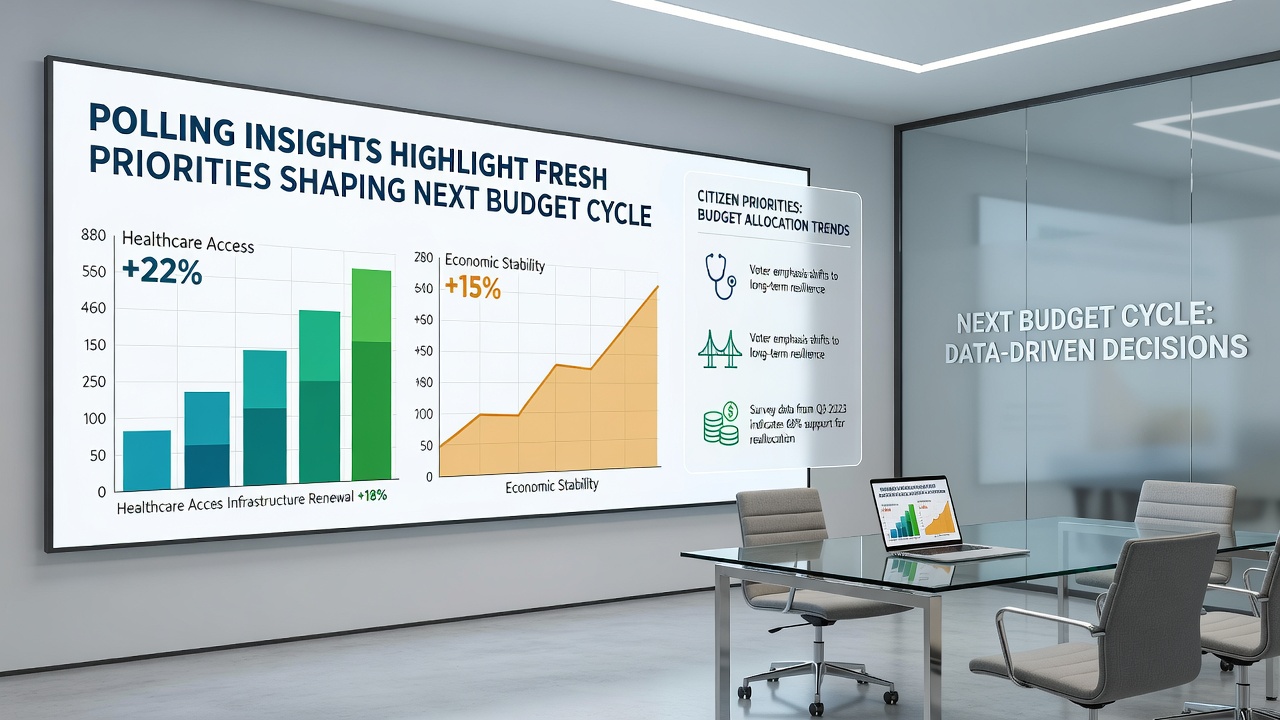
Polling Insights Highlight Fresh Priorities Shaping Next Budget Cycle
Recent surveys conducted across multiple regions have revealed shifting public preferences that are poised to influence budget allocations in the upcoming fiscal period, with data collected through late 2025 and into September 2026 showing consistent emphasis on infrastructure maintenance alongside expanded social services. Analysts from various research organizations note that these patterns emerge from responses gathered via both online panels and in-person interviews, where participants ranked items such as road repairs and public transit improvements higher than in previous cycles while also elevating concerns around housing affordability and workforce development programs.
Key Findings from Recent Surveys
Data compiled by independent polling firms indicates that transportation funding now ranks as a top concern for 62 percent of respondents in urban and suburban areas alike, a notable increase from figures reported two years earlier, while support for environmental initiatives has climbed to 48 percent in the same datasets. These trends align with reports from government statistical agencies that track household expenditure patterns and local service usage, suggesting that residents are responding to visible strains on existing systems such as aging bridges and overcrowded transit lines. What's interesting here is how responses vary by demographic group, with younger participants showing stronger backing for green infrastructure projects and older cohorts prioritizing healthcare access expansions that tie directly into budget line items for community clinics.
One study released in early September 2026 by a national research center found that 71 percent of those surveyed favored reallocating portions of discretionary funds toward job training initiatives, a preference that appears connected to ongoing labor market shifts documented in employment reports from federal agencies. This outcome stands in contrast to earlier cycles where public safety allocations dominated responses, though those areas still receive substantial backing at around 55 percent approval levels. Observers note that the methodology involved stratified sampling to ensure representation across income brackets and geographic zones, yielding margins of error below three percentage points for the overall sample.
Regional Variations and Demographic Patterns
Breakdowns by location reveal that western states show elevated interest in water conservation measures within budget frameworks, with polling numbers reaching 39 percent support in those areas compared to national averages, according to cross-referenced data from state-level statistical bureaus. In contrast, midwestern respondents placed greater weight on agricultural support programs and rural broadband expansion, reflecting economic profiles tracked through agricultural census updates. These differences highlight how local conditions shape collective priorities, yet common threads persist around education funding stability and park maintenance that cut across most surveyed populations.
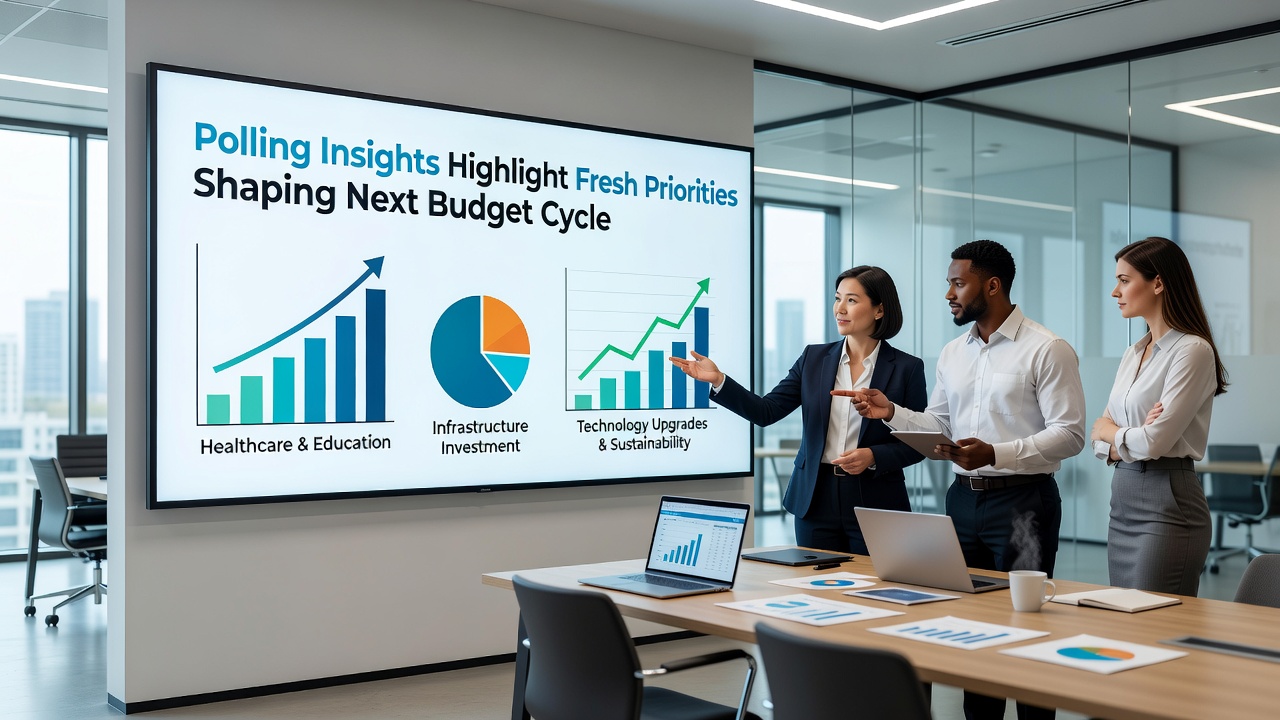
Further analysis from academic institutions demonstrates that household income levels correlate with specific preferences, as lower-income groups express higher demand for subsidized transit and utility assistance programs while higher earners focus more on tax relief measures that could affect overall revenue projections. Researchers at several universities have cross-checked these patterns against longitudinal datasets spanning five budget cycles, confirming that the current emphasis on integrated planning for housing and mobility represents a departure from more siloed approaches seen previously. And because the surveys incorporated open-ended questions alongside structured rankings, additional themes around digital service delivery emerged in roughly one-third of responses, pointing toward potential investments in online permitting systems and virtual health consultations.
Implications for Budget Planning Processes
Officials responsible for drafting the next budget cycle are incorporating these polling outcomes into preliminary frameworks, with public comment periods scheduled to begin in the following months according to announcements from municipal finance departments. Evidence from similar processes in prior years shows that when survey data receives early attention, final allocations tend to reflect broader consensus on multi-year projects such as fleet modernization for emergency services and expanded library programming. Figures from a Canadian federal statistical agency on comparable municipal budgeting exercises reveal parallel movements toward resident-driven adjustments, where transportation and community wellness items gained ground in adopted plans.
Additional context comes from reports issued by international organizations tracking urban policy trends, which note that cities incorporating regular polling into their fiscal calendars achieve higher resident satisfaction scores in follow-up evaluations. This approach allows planners to adjust for emerging factors like population growth projections released by national census bureaus, ensuring that resources align with both current needs and anticipated demands through 2030. Those who've examined multiple cycles point out that such integration reduces the likelihood of mid-year revisions when unexpected priorities surface during implementation phases.
Conclusion
The convergence of polling data with established statistical records from diverse government sources provides a foundation for budget decisions that address documented resident concerns in transportation, housing support, and workforce programs. As September 2026 marks a key point in data collection and analysis timelines, the resulting insights continue to guide allocation strategies across various jurisdictions. External references such as those from the Pew Research Center and the Brookings Institution offer further detail on methodological approaches and comparative findings that inform these ongoing developments.