Mia Coleman · 6 October 2026
Retail Growth Patterns Reveal Fresh Economic Ties Between Historic Districts and Seasonal Markets
Shifting Retail Landscapes in Established Areas
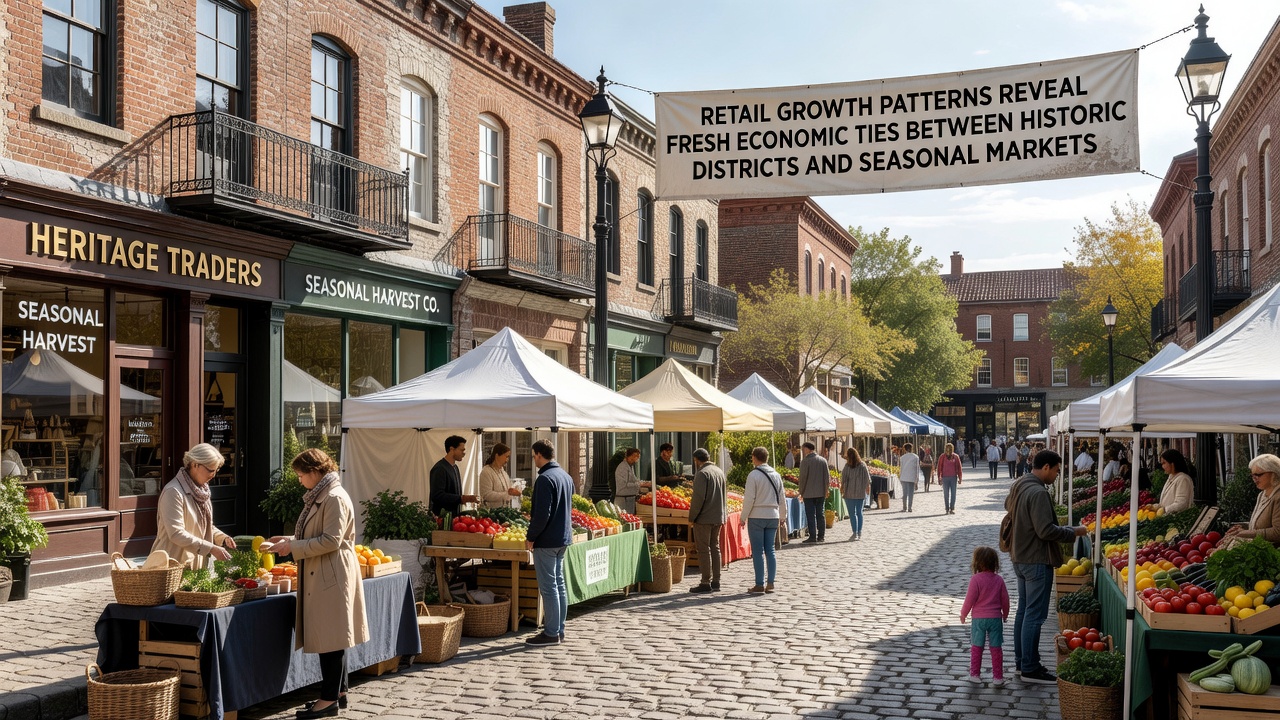
Retail growth patterns have increasingly highlighted connections between historic districts and seasonal markets, where preserved architecture meets temporary vendor setups that draw consistent consumer traffic throughout the year. Data from multiple regions shows that these ties strengthen local economies through shared customer bases and supply networks, particularly evident as October 2026 approaches with its wave of autumn festivals and harvest events.
Observers note that historic districts often provide the physical infrastructure, including cobblestone streets and landmark buildings, while seasonal markets supply fresh products and event-driven appeal. This combination creates measurable upticks in sales for both permanent shops and pop-up vendors, according to retail sales figures compiled across North American cities.
Historic Districts as Anchors for Economic Activity
Historic districts function as stable retail cores where foot traffic remains steady due to tourism and local loyalty, and seasonal markets capitalize on this by positioning themselves nearby during peak periods. Research indicates that stores in these zones report higher average transaction values when markets operate adjacent to them, as visitors extend their stays to explore both permanent and temporary offerings.
Take one retailer in a preserved downtown area who expanded inventory to complement nearby market goods, resulting in cross-promotions that lifted overall revenue. Figures reveal that such adaptations occur more frequently where zoning allows flexible use of public spaces for short-term stalls without disrupting daily operations.
Seasonal Markets Driving Supplementary Revenue Streams
Seasonal markets contribute distinct economic layers by introducing time-limited products like local produce, crafts, and holiday items that complement year-round retail selections. Data shows these markets generate concentrated bursts of activity that spill over into surrounding historic shops, with visitors often combining purchases across both formats during single trips.
Studies from Statistics Canada have tracked similar patterns in Canadian heritage zones, where market attendance correlates with increased spending at nearby established businesses. The reality is that these markets also serve as testing grounds for new vendors who later transition into permanent locations within the same districts.
Documented Growth Patterns and Interconnections
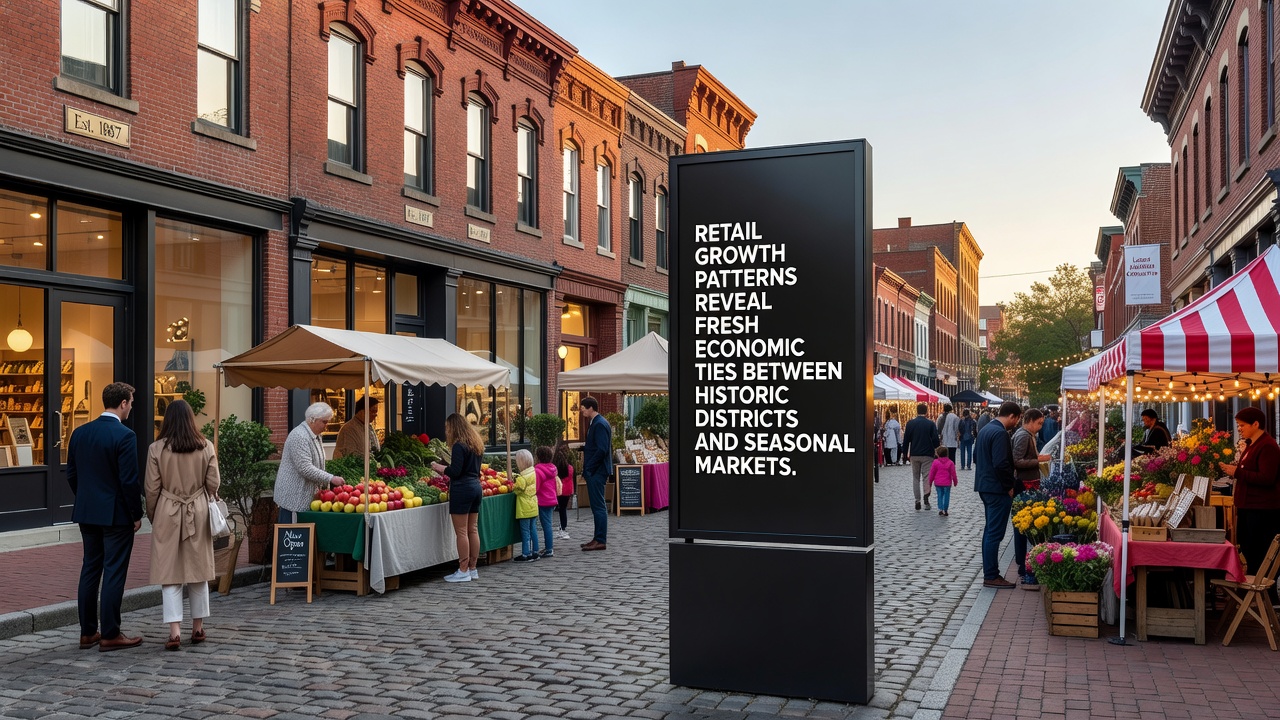
Analysis of retail data reveals recurring cycles where seasonal market openings align with upswings in historic district sales, particularly around cultural events and holidays. A report from the Australian Bureau of Statistics documented how heritage precincts in several cities experienced sustained quarterly gains when paired with rotating market schedules that rotate themes by season.
What's interesting is the emergence of shared logistics, such as joint delivery routes for perishable goods that reduce costs for both market operators and fixed retailers. People who've examined transaction records across multiple sites find that these efficiencies appear most pronounced in districts with established pedestrian pathways linking the two retail types.
Regional Examples Illustrating Broader Trends
One study in a Midwestern US city tracked a 12 percent rise in combined retail volume after historic blocks incorporated weekly seasonal markets focused on artisanal foods. Similar observations come from European urban centers where preserved neighborhoods host rotating markets that feed into nearby specialty stores year-round.
Researchers discovered that these patterns hold across climates and cultural contexts, with October events often marking transition points into higher-volume holiday trading. According to US Census Bureau retail trade reports, such integrations show up in national aggregates as localized clusters of growth rather than isolated spikes.
Conclusion
Retail growth patterns continue to demonstrate clear economic linkages between historic districts and seasonal markets through overlapping customer flows, resource sharing, and synchronized event calendars. Data from government statistical agencies and academic reviews supports the view that these connections produce measurable benefits in sales stability and vendor expansion opportunities. As patterns evolve into late 2026, the ties appear set to strengthen further where planning frameworks accommodate both permanent and temporary retail formats side by side.