Riley Hayes · 20 October 2026
Seasonal Gatherings Reflect Shifting Priorities in Education and Conservation Efforts
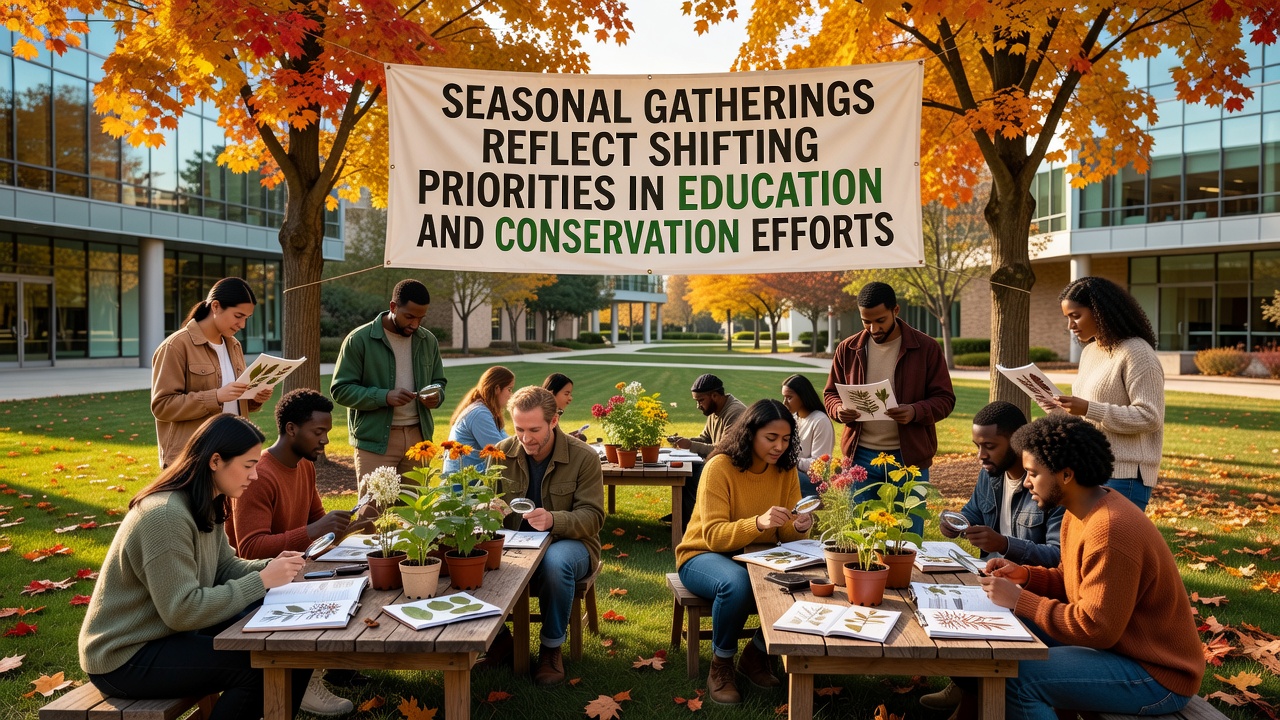
Seasonal gatherings across various regions have begun incorporating structured educational components that emphasize conservation practices, with data from multiple agencies showing increased participation in programs that combine traditional events with lessons on environmental stewardship. Organizers in areas like the southwestern United States and parts of Europe report that events once centered on harvest celebrations now feature workshops on water management, native plant restoration, and wildlife tracking, while attendance figures from October 2026 indicate steady growth in family-oriented sessions.
Research from government bodies tracks how these shifts align with broader policy changes, including updated curricula in public schools that require outdoor learning modules tied to seasonal cycles. In one documented case from the Pacific Northwest, fall festivals integrated sessions led by local biologists where participants learned to identify invasive species and monitor soil health, resulting in follow-up volunteer commitments tracked through regional databases.
Patterns Emerging in October 2026 Events
October 2026 saw multiple gatherings expand their formats to include data collection activities, such as citizen science apps used during community hikes that feed information directly into national conservation monitoring systems. Figures from the Australian Department of Climate Change, Energy, the Environment and Water reveal parallel trends in the southern hemisphere, where spring festivals adapted similar models to address drought resilience and biodiversity corridors. These adaptations occurred alongside rising enrollment in related educational programs, with organizers noting that sessions on sustainable agriculture drew larger crowds than purely recreational activities in previous years.
Community records show that partnerships between schools and conservation groups have driven much of this evolution, as districts seek ways to meet new standards for environmental literacy. Events in the Midwest United States incorporated mapping exercises that taught students how seasonal migrations intersect with urban development patterns, while European counterparts in several member states hosted parallel programs documented by the European Environment Agency.
Integration of Education and Practical Conservation
Observers note that the blending of education with hands-on conservation has produced measurable outcomes in several locales, including restored trail networks and increased native species plantings credited to gathering participants. Data collected during these events often contributes to larger studies on habitat connectivity, with one initiative in Canada linking festival-based surveys to long-term monitoring efforts managed by Parks Canada. Attendance at such integrated programs rose notably in 2026 compared to earlier seasons, according to aggregated reports from regional tourism and education offices.
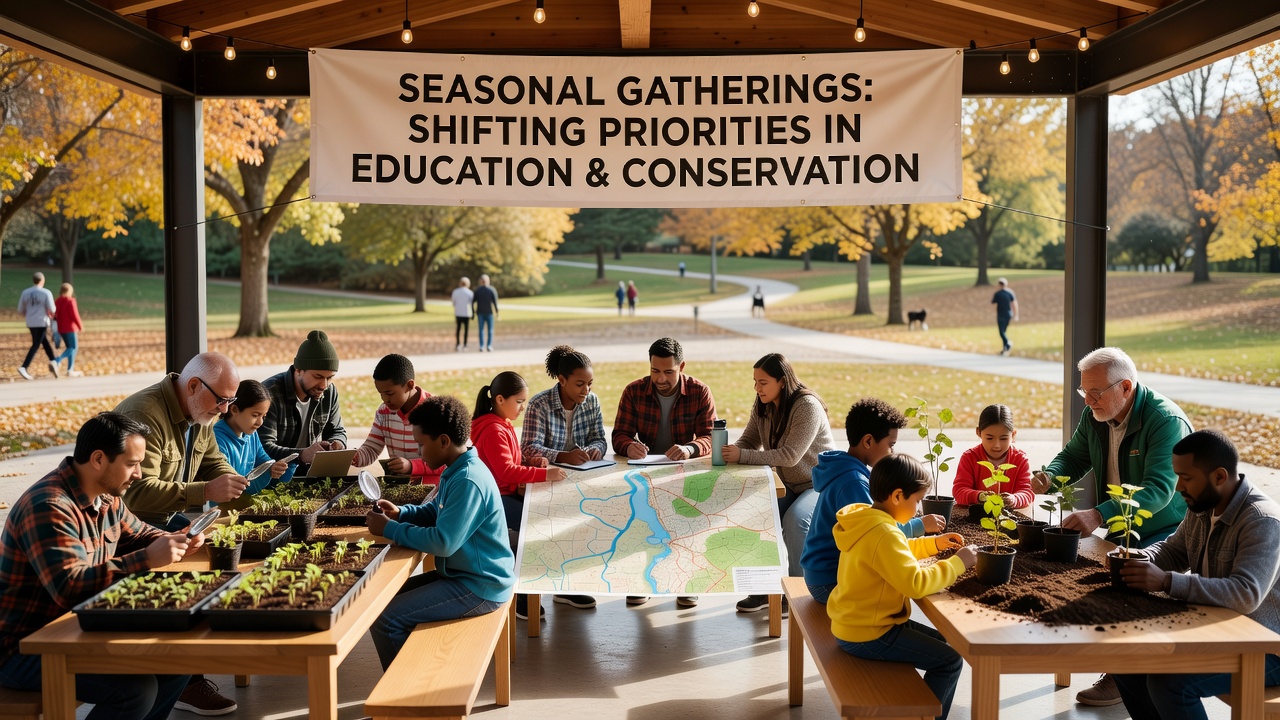
What's significant is how these gatherings now serve as entry points for ongoing involvement, with many providing resources for continued learning through digital platforms and local volunteer networks. Studies conducted by university researchers have documented correlations between event participation and subsequent household behaviors, such as reduced water usage and support for protected areas. In regions experiencing rapid growth, these seasonal activities have helped bridge gaps between urban residents and rural conservation projects by offering shared experiences that highlight mutual dependencies on healthy ecosystems.
Broader Implications for Community Programming
Local governments and nonprofit organizations have adjusted their calendars to accommodate the demand for these hybrid events, allocating resources toward trained facilitators who combine storytelling traditions with scientific instruction. Reports indicate that funding streams previously directed solely at recreation now support joint initiatives with environmental agencies, creating sustained programming that extends beyond single gatherings. In October 2026, several such events featured guest presentations from international partners, allowing attendees to compare conservation strategies across different climates and cultural contexts.
Those who've tracked participation metrics over multiple seasons point to consistent patterns where educational elements correlate with higher retention rates for follow-up activities. This holds true whether gatherings occur in arid zones focused on desert preservation or temperate areas emphasizing forest management, as cross-referenced data from multiple agencies demonstrates.
Conclusion
Seasonal gatherings continue to evolve as platforms where education and conservation intersect, with evidence from 2026 underscoring their role in building community capacity for environmental stewardship. The documented increases in structured learning opportunities during these events reflect coordinated efforts across education systems, government agencies, and local groups to address shared ecological challenges through accessible, recurring activities. As patterns from October 2026 and prior seasons show, these adaptations maintain cultural continuity while introducing practical skills that support long-term habitat protection and resource management.