Mia Coleman · 3 November 2026
Vistamesa Aquifer Priorities Quietly Shape Local Farm Stand Seasons
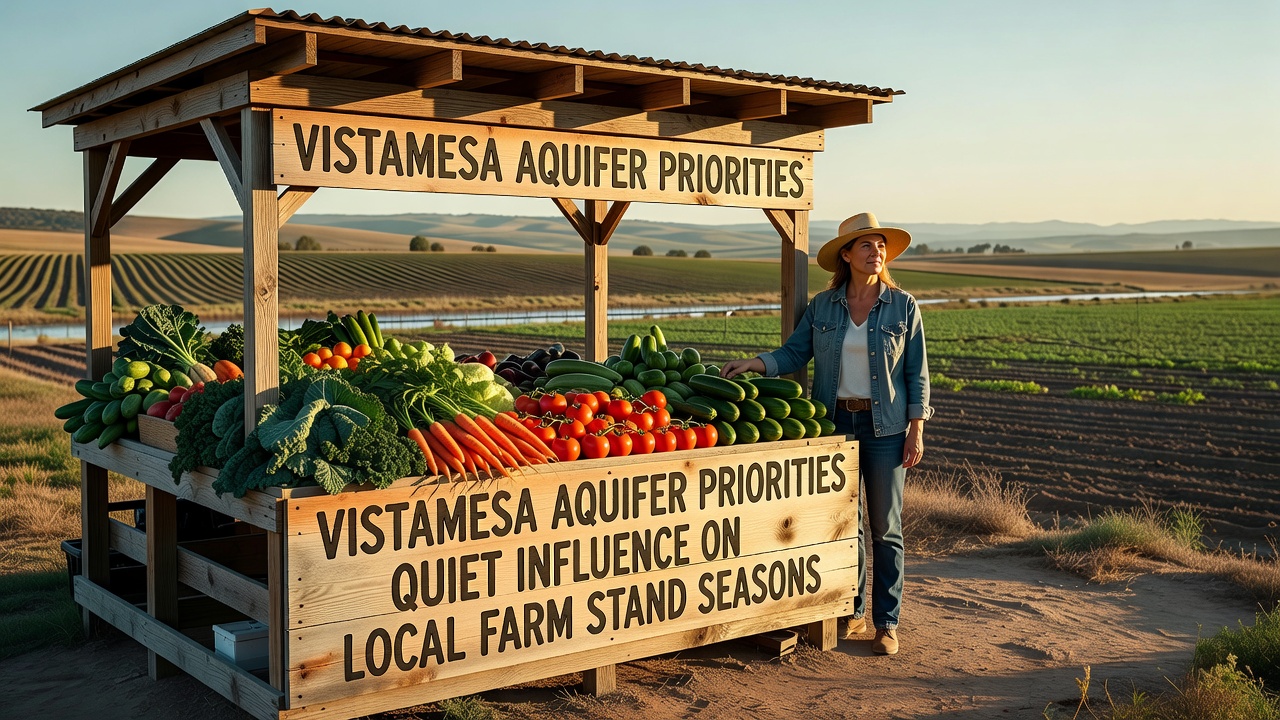
Vistamesa aquifer priorities center on sustainable allocation for agricultural use, and these decisions directly affect irrigation schedules that determine crop cycles at local farm stands throughout the year.
Aquifer Basics and Regional Context
The Vistamesa aquifer supplies groundwater to farms across the East Valley, where water levels fluctuate based on extraction rates and recharge from seasonal rains, while priorities established by local water management plans emphasize agricultural needs alongside urban demands.
Data from monitoring wells show that aquifer storage has remained stable in recent years because extraction permits tie directly to conservation measures such as drip irrigation upgrades and crop rotation requirements.
Policy Priorities Driving Water Use
Current priorities rank agricultural irrigation as a protected category during allocation reviews, which means farmers receive consistent access to groundwater for high-value seasonal crops like tomatoes, lettuce, and citrus that appear at farm stands.
These rules require metering and reporting, and they limit new well permits unless applicants demonstrate reduced overall consumption compared with previous seasons.
What's interesting is how these priorities create predictable patterns in produce availability, since growers time planting around approved water volumes rather than weather alone.
Links Between Water Allocation and Crop Timing
Farm stands in Vistamesa open with early spring greens when aquifer withdrawals support lettuce and spinach fields, then shift to summer stone fruits once irrigation schedules allow peach and apricot orchards to receive adequate flows.
Observers note that stands close or reduce hours in late fall when recharge rates drop and allocations tighten to protect aquifer levels through winter.
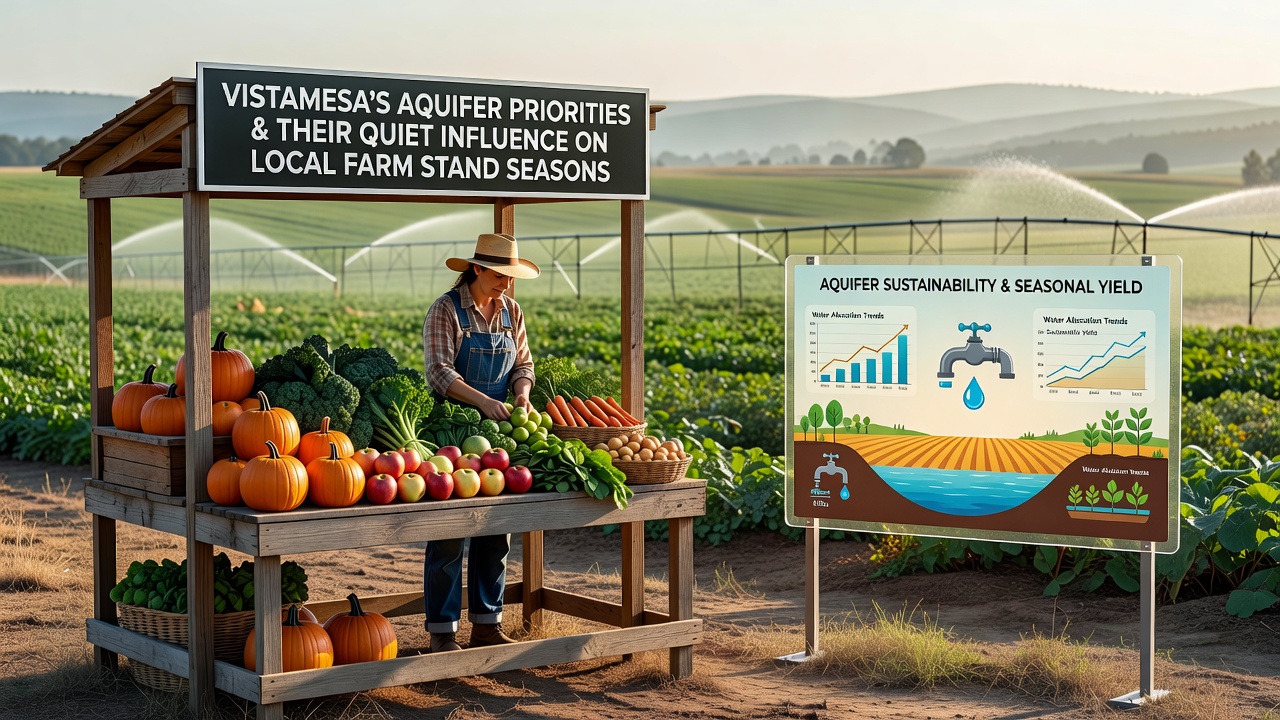
Studies from the University of Arizona indicate that farms following aquifer priority guidelines maintain yields across multiple seasons because they adjust planting dates to match approved pumping windows.
Seasonal Patterns Observed at Stands
Market records show that Vistamesa farm stands feature peak variety from March through June and again from September through October, periods when aquifer drawdowns align with crop water needs without exceeding permitted volumes.
November 2026 brings the next scheduled aquifer assessment, and any adjustments to priority rankings could shift irrigation start dates for winter crops like broccoli and carrots that currently appear at stands through early December.
Those who've tracked produce lists for several years report that stands extend their seasons when conservation incentives allow extra pumping during high-recharge months.
Broader Agricultural Adjustments
Farmers respond to priority rules by selecting drought-tolerant varieties and installing soil moisture sensors, moves that reduce total groundwater use while preserving the quality and timing of items sold at stands.
According to USGS aquifer monitoring reports, similar management approaches in other western states have stabilized water tables and supported consistent agricultural output.
Yet growers in Vistamesa also face limits on expansion, since new acreage requires proof that additional irrigation will not lower regional aquifer levels below established thresholds.
Community and Market Effects
Local farm stands serve as direct outlets for aquifer-supported produce, and their seasonal calendars reflect the same priority system that governs well permits and conservation grants.
Residents who visit stands weekly notice earlier closures for certain items when aquifer recharge falls short, while extended availability occurs after wet winters that boost storage and allow higher allocations.
One study revealed that coordinated aquifer priorities across multiple farms lead to synchronized harvest windows, which in turn create reliable supply chains for stands that sell directly to consumers.
Conclusion
Vistamesa aquifer priorities establish the framework for irrigation timing, crop selection, and ultimately the seasonal offerings at local farm stands, with monitoring data and allocation rules shaping what appears on tables each month.
Future reviews, including the assessment planned for November 2026, will determine whether current priorities continue or adjust in response to measured changes in aquifer levels and agricultural demand.